

Featured Image Name:
cement-testing-methods-laboratory.jpg
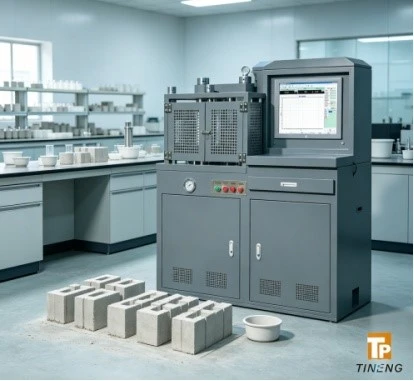
In modern construction projects, cement serves as one of the most critical materials influencing the strength, durability, and long-term performance of structures. Whether used in residential buildings, highways, bridges, tunnels, or large-scale infrastructure projects, the quality of cement directly affects construction safety and service life. As a result, reliable Cement Testing Methods have become essential for manufacturers, contractors, quality inspectors, and research laboratories seeking to ensure consistent product performance.
The increasing demand for high-performance concrete and stricter construction standards has elevated the importance of professional Cement Quality Testing procedures. Through standardized laboratory testing, engineers can evaluate physical, mechanical, and chemical properties before cement is approved for use. This comprehensive guide explores the most important testing methods, relevant standards, and the role of modern Cement Testing Equipment in maintaining quality assurance throughout the construction industry.
H2
Why Cement Testing Is Essential for Construction Quality
Image Name:
cement-quality-control-construction-site.jpg

Cement quality variations can significantly impact concrete performance. Even small inconsistencies in fineness, setting time, strength development, or chemical composition may result in reduced structural durability, cracking, excessive shrinkage, or premature failure. For this reason, cement producers and construction laboratories rely on systematic Cement Laboratory Testing procedures to verify compliance with national and international standards.
Quality assurance begins long before concrete is poured on-site. Manufacturers conduct extensive testing during production, while independent laboratories perform verification tests before project approval. By applying standardized Cement Testing Methods, stakeholders can identify potential issues early, reduce construction risks, and ensure that materials meet project specifications. These testing procedures also help optimize production efficiency, improve customer confidence, and support regulatory compliance in both domestic and international markets.
H2
Key Standards Governing Cement Testing
Image Name:
cement-testing-standards-astm-en.jpg
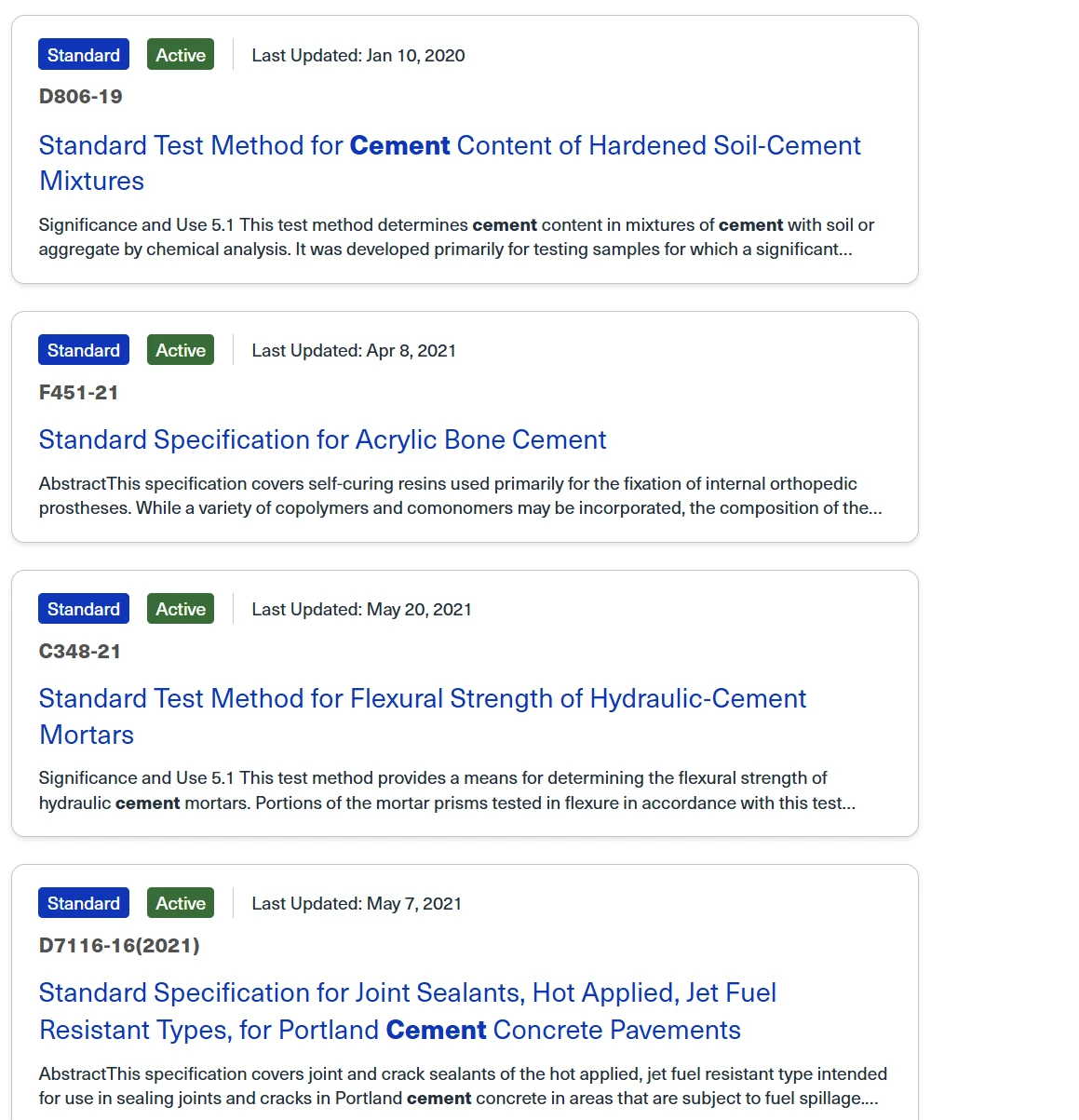
The effectiveness of any testing program depends on adherence to recognized standards. Organizations such as ASTM International, EN Standards, ISO, and various national standards have established detailed procedures for evaluating cement properties. These standards define specimen preparation, testing conditions, equipment requirements, and acceptance criteria.
Standardization ensures consistency and comparability of results across different laboratories. When testing follows approved methods, manufacturers can confidently demonstrate product quality while contractors gain assurance that the cement used in their projects meets required performance levels. Modern Cement Testing Equipment is specifically designed to comply with these standards, helping laboratories achieve accurate and repeatable results while minimizing operator error.
H2
Fineness Testing of Cement
Image Name:
cement-fineness-test-blaine-apparatus.jpg

H3
Understanding Cement Fineness
Cement fineness is one of the most important physical properties affecting hydration rate and strength development. Finely ground cement generally hydrates more rapidly, contributing to higher early strength and improved workability. However, excessive fineness may increase water demand and heat generation.
The Blaine air permeability method is among the most widely used Cement Testing Methods for measuring specific surface area. During the test, air is passed through a compacted cement bed, and the resistance to airflow is used to calculate fineness. The result provides valuable information regarding grinding efficiency and expected performance characteristics.
In addition to Blaine testing, sieve analysis may also be performed to evaluate particle size distribution. Together, these procedures help manufacturers maintain consistent product quality and optimize production processes.
H2
Determination of Standard Consistency
Image Name:
vicat-apparatus-standard-consistency-test.jpg
H3
Importance of Water Requirement Measurement
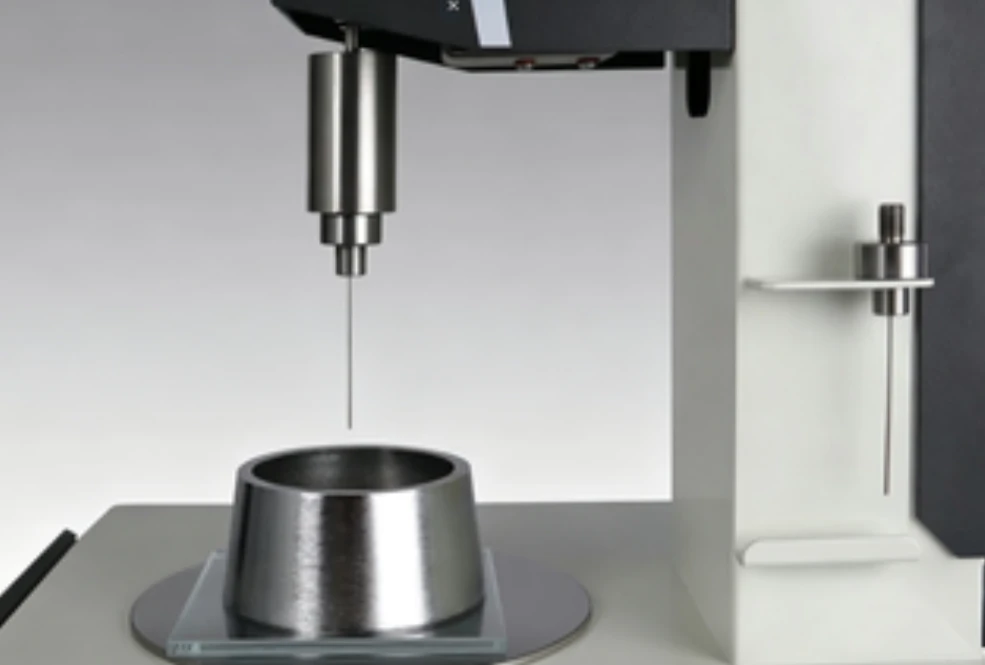
The standard consistency test determines the amount of water required to produce a cement paste with a specified level of plasticity. This test forms the basis for several subsequent tests, including setting time and soundness evaluations.
Using a Vicat apparatus, technicians prepare cement paste samples with varying water contents until the required penetration depth is achieved. The resulting value serves as a reference for many laboratory procedures and contributes to accurate interpretation of cement behavior under controlled conditions.
Reliable consistency measurements are fundamental to effective Cement Quality Testing, as they provide insight into hydration characteristics and material performance.
H2
Initial and Final Setting Time Tests
H3
Evaluating Cement Hydration Behavior
Setting time is a critical parameter that influences construction scheduling and concrete placement operations. The initial setting time indicates when cement paste begins to lose plasticity, while the final setting time represents the stage at which hardening is substantially complete.
The Vicat apparatus remains the standard instrument used for these evaluations. Through controlled penetration measurements, laboratories can determine whether cement meets specification requirements for handling and construction applications.
Accurate setting time determination is among the most important Cement Testing Methods because it directly affects mixing, transportation, placement, and finishing operations. Proper setting characteristics ensure sufficient working time while allowing projects to progress efficiently.
H2
Cement Soundness Testing
Image Name:
cement-soundness-test-le-chatelier.jpg

H3
Preventing Excessive Expansion
Soundness testing evaluates the ability of hardened cement paste to retain its volume after setting. Unsound cement may undergo delayed expansion due to excessive free lime or magnesium oxide, potentially causing cracking and structural damage.
The Le Chatelier method is commonly employed to measure expansion behavior. Cement paste specimens are prepared and subjected to controlled heating conditions before dimensional changes are measured. Results help determine whether the material meets specification requirements and remains suitable for structural applications.
As part of comprehensive Cement Laboratory Testing, soundness evaluation plays a crucial role in ensuring long-term durability and structural stability.
H2
Cement Compressive Strength Testing
Image Name:

H3
The Most Important Performance Indicator
Among all Cement Testing Methods, the Cement Compressive Strength Test is often considered the most significant. Strength development directly reflects the cement's ability to contribute to durable and reliable concrete structures.
During testing, standardized mortar specimens are prepared using controlled proportions of cement, sand, and water. After curing under specified environmental conditions, specimens are tested using a compression testing machine at predetermined ages, typically 3, 7, and 28 days.
The resulting strength values provide a clear indication of performance and compliance with product specifications. Modern automated Cement Testing Equipment enhances testing accuracy, data collection, and reporting efficiency, enabling laboratories to maintain high-quality standards.
H4
Factors Affecting Strength Results
Several variables can influence strength measurements, including curing conditions, specimen preparation techniques, water-cement ratio, and testing machine calibration. Strict laboratory procedures are therefore essential for obtaining reliable and repeatable results.
H2
Chemical Analysis of Cement
Image Name:
Chemical testing complements physical and mechanical evaluations by examining the composition of cement. Laboratory analysis typically measures parameters such as silica, alumina, iron oxide, calcium oxide, sulfur trioxide, and magnesium oxide.
Advanced analytical instruments enable precise identification of chemical constituents and potential contaminants. Chemical evaluations support effective Cement Quality Testing by ensuring compliance with standards and helping manufacturers maintain consistent formulations.
As environmental regulations and performance requirements continue to evolve, chemical analysis has become an increasingly important component of comprehensive quality assurance programs.
H2
Modern Cement Testing Equipment and Laboratory Automation
Image Name:
modern-cement-testing-equipment-lab.jpg

The evolution of digital technology has significantly improved laboratory efficiency. Today's Cement Testing Equipment incorporates automated controls, electronic sensors, computerized data acquisition systems, and advanced software platforms capable of generating detailed test reports.
Automation reduces human error, improves repeatability, and increases laboratory productivity. Many modern systems also support remote monitoring and centralized data management, allowing quality managers to track performance trends and maintain comprehensive testing records.
Investment in advanced laboratory solutions enables manufacturers and testing institutions to achieve higher levels of precision while meeting increasingly demanding industry standards.
H2
Best Practices for Reliable Cement Quality Testing
Successful quality assurance programs depend not only on advanced equipment but also on proper laboratory management. Personnel training, equipment calibration, standardized procedures, and regular quality audits all contribute to reliable results.
Maintaining controlled environmental conditions is equally important, particularly for specimen preparation and curing operations. Laboratories should establish comprehensive documentation systems that support traceability and continuous improvement initiatives.
By implementing best practices and utilizing professional Cement Laboratory Testing procedures, organizations can significantly improve product consistency and customer confidence.
H2
Conclusion
The construction industry's demand for safe, durable, and high-performance structures continues to increase worldwide. As a result, accurate and standardized Cement Testing Methods remain indispensable for manufacturers, laboratories, and contractors seeking to achieve the highest levels of quality assurance.
From fineness measurement and setting time determination to soundness evaluation, chemical analysis, and the critical Cement Compressive Strength Test, each procedure contributes valuable information regarding cement performance. Supported by advanced Cement Testing Equipment and rigorous Cement Quality Testing protocols, these methods help ensure compliance with international standards and long-term construction reliability.
Organizations that invest in comprehensive Cement Laboratory Testing programs not only improve product quality but also strengthen their competitive position in the global construction materials market, delivering safer and more durable infrastructure for future generations.