

Featured Image Name:
cement-testing-machine-civil-engineering.jpg
The success of modern civil engineering and infrastructure projects depends heavily on the quality and consistency of construction materials. Among these materials, cement remains one of the most critical components because it serves as the binding element that holds concrete structures together. From residential buildings and commercial complexes to highways, bridges, dams, tunnels, and airports, cement contributes directly to the strength, durability, and safety of every structure. As construction standards become increasingly stringent worldwide, the role of the Cement Testing Machine has become more important than ever before. Accurate testing helps manufacturers, contractors, consultants, and quality assurance laboratories verify that cement products meet required specifications before being used in construction projects.
Without reliable testing procedures, variations in cement properties may go undetected, potentially leading to structural defects, reduced service life, costly repairs, and safety concerns. Therefore, modern testing laboratories rely on advanced Cement Testing Equipment to evaluate cement performance and ensure compliance with national and international standards. The growing emphasis on quality management, sustainability, and infrastructure longevity continues to drive demand for sophisticated testing solutions across the construction industry.
H2
The Role of Cement in Civil Engineering Projects
Image Name:
cement-infrastructure-construction-project.jpg

Cement serves as the foundation of countless construction applications because of its ability to form strong and durable bonds when mixed with water and aggregates. Its performance directly affects concrete strength, setting behavior, durability, and resistance to environmental conditions. Engineers carefully select cement types based on project requirements, environmental exposure, and structural design criteria.
As infrastructure projects become larger and more complex, the consequences of poor cement quality become increasingly significant. A minor variation in chemical composition, fineness, or strength development can have a substantial impact on the overall performance of concrete structures. For this reason, quality assurance programs rely heavily on Cement Quality Control procedures that evaluate material properties before construction begins.
Testing not only protects project quality but also helps manufacturers maintain product consistency. By implementing systematic testing procedures, stakeholders can reduce risks, improve performance, and ensure that structures meet expected service life requirements.
H2
Why Cement Testing Machines Are Essential
H3
Ensuring Reliable Material Performance
The primary function of a Cement Testing Machine is to provide accurate and repeatable measurements of cement properties. Testing allows engineers and laboratory technicians to evaluate characteristics such as strength development, consistency, setting time, fineness, and soundness. These parameters influence how cement behaves during mixing, placement, curing, and long-term service conditions.
Reliable testing is essential because cement performance can vary due to differences in raw materials, manufacturing processes, storage conditions, and transportation methods. Even products produced within the same manufacturing facility may exhibit slight variations over time. Advanced Cement Laboratory Equipment enables laboratories to detect these variations and ensure that every batch meets required specifications.
The use of modern testing technology also improves confidence among contractors and project owners. Verified test results provide assurance that construction materials will perform as expected under real-world conditions, reducing the likelihood of unexpected failures or costly delays.
H2
Supporting Cement Quality Control Programs
Image Name:
cement-quality-control-testing-process.jpg
H3
Building Confidence Through Standardized Testing
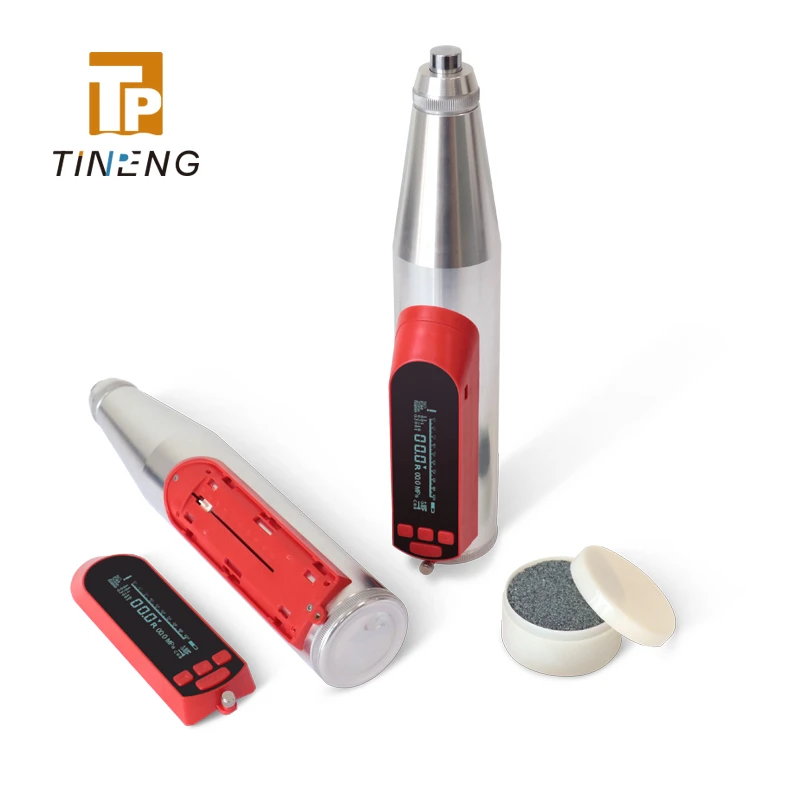
A comprehensive Cement Quality Control program depends on accurate laboratory testing at every stage of production and distribution. Manufacturers use testing machines to monitor production consistency, while independent laboratories verify compliance with regulatory standards and project specifications.
Testing procedures provide valuable information regarding material behavior and quality trends. By analyzing test results over time, manufacturers can identify process improvements, optimize production efficiency, and maintain consistent product performance. This proactive approach helps reduce waste, improve customer satisfaction, and strengthen market competitiveness.
In large infrastructure projects, quality control testing often continues throughout construction. Regular testing ensures that materials delivered to the project site maintain the same quality standards established during production. The integration of reliable Cement Testing Equipment into quality assurance programs helps create a systematic framework for continuous improvement and risk management.
H2
Cement Compressive Strength Testing and Structural Safety
Image Name:
cement-compressive-strength-testing-machine.jpg

H3
Measuring the Most Critical Property
Among all testing procedures, Cement Compressive Strength Testing is widely regarded as the most important indicator of cement performance. Strength testing evaluates the ability of cement mortar specimens to withstand compressive loads under controlled laboratory conditions.
The results obtained from strength testing directly influence engineering decisions related to concrete mix design, structural calculations, and material acceptance. A high-quality Cement Testing Machine provides accurate load application and measurement capabilities, ensuring reliable test results and compliance with established standards.
Strength development is typically evaluated at multiple curing ages, including early-age and long-term testing periods. These measurements provide valuable information regarding hydration behavior and expected structural performance. Reliable strength data helps engineers design safer structures while ensuring efficient use of construction materials.
H4
The Relationship Between Strength and Durability
Strong cement generally contributes to durable concrete, but durability also depends on factors such as permeability, curing conditions, and environmental exposure. Therefore, strength testing serves as a critical component of a broader quality assurance strategy designed to maximize structural longevity.
H2
Enhancing Accuracy Through Advanced Cement Testing Equipment
Image Name:
advanced-cement-testing-equipment-automation.jpg
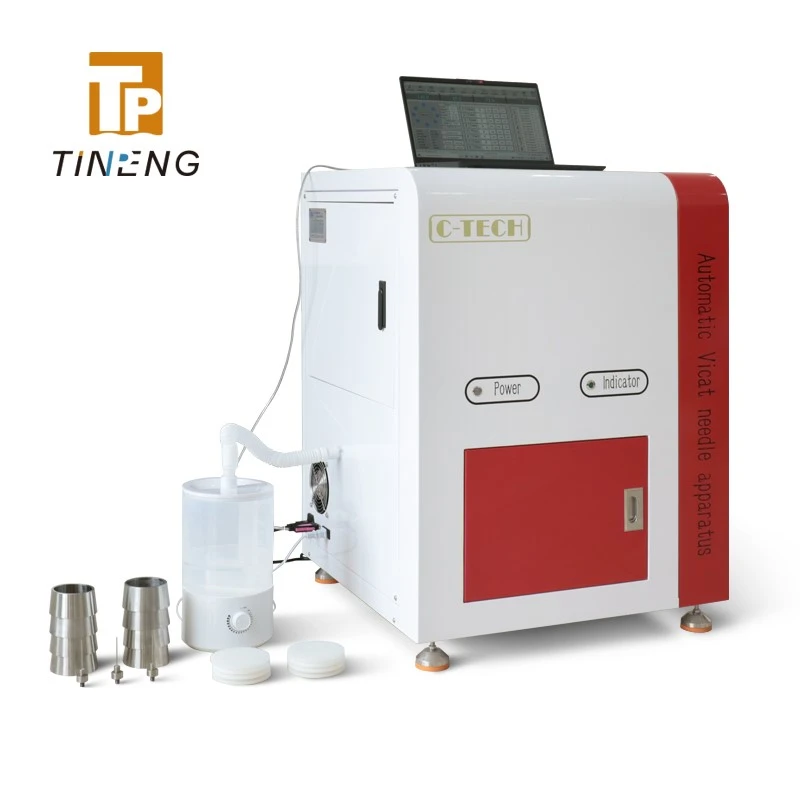
The evolution of laboratory technology has transformed the way testing is performed. Traditional manual procedures have gradually been replaced by automated systems capable of delivering greater accuracy, consistency, and efficiency. Modern Cement Testing Equipment incorporates digital controls, electronic sensors, automated data collection systems, and advanced software platforms that simplify laboratory operations.
Automation minimizes operator influence and reduces the risk of human error. Real-time monitoring capabilities enable technicians to observe testing processes more effectively while maintaining strict compliance with testing standards. Digital recordkeeping also improves traceability and supports quality management systems that require comprehensive documentation.
These technological advancements help laboratories achieve higher productivity while maintaining the precision necessary for critical engineering applications.
H2
Cement Laboratory Equipment and Industry Standards
Image Name:
cement-laboratory-equipment-standards.jpg

International standards play a vital role in ensuring the consistency and reliability of testing results. Organizations such as ASTM, EN, ISO, and various national regulatory bodies establish procedures governing specimen preparation, testing conditions, equipment requirements, and result interpretation.
Compliance with these standards requires the use of properly calibrated Cement Laboratory Equipment designed specifically for standardized testing procedures. Laboratories must also implement rigorous maintenance programs to ensure that testing machines continue to perform accurately over time.
Standardized testing provides confidence that results generated in different laboratories can be compared reliably. This consistency is particularly important for international construction projects where materials may be sourced from multiple suppliers across different regions.
H2
The Economic Benefits of Cement Testing
Image Name:
economic-benefits-cement-testing.jpg

Although testing programs require investment in equipment, personnel, and laboratory facilities, the long-term economic benefits often far outweigh the associated costs. Early identification of material deficiencies can prevent expensive construction failures, project delays, and warranty claims.
A reliable Cement Testing Machine helps organizations detect quality issues before materials reach construction sites. By identifying potential problems during production, manufacturers can take corrective actions that minimize waste and improve operational efficiency.
For contractors and project owners, testing reduces uncertainty and supports informed decision-making. Verified material quality lowers project risks and contributes to more predictable construction outcomes, ultimately improving overall project profitability.
H2
Sustainability and Infrastructure Longevity
As the construction industry focuses increasingly on sustainability, testing has become an important tool for supporting environmentally responsible practices. High-quality cement contributes to durable structures that require less maintenance, fewer repairs, and reduced material consumption over their service life.
Effective Cement Quality Control programs help optimize material usage and improve resource efficiency. By ensuring consistent performance, testing supports the development of sustainable infrastructure capable of serving communities for decades with minimal environmental impact.
The use of advanced Cement Testing Equipment also facilitates the evaluation of innovative cement formulations, including blended cements and low-carbon alternatives. These emerging materials play an important role in reducing the environmental footprint of future construction projects.
H2
Future Trends in Cement Testing Technology
Image Name:
future-cement-testing-technology.jpg

The future of cement testing is being shaped by digitalization, automation, artificial intelligence, and data analytics. Modern laboratories are increasingly adopting smart testing systems capable of generating detailed performance insights and predictive maintenance recommendations.
A next-generation Cement Testing Machine may integrate cloud-based reporting, remote monitoring capabilities, and automated calibration functions. These innovations can improve laboratory efficiency while enhancing the reliability and accessibility of testing data.
As infrastructure requirements continue to evolve, testing technology will play an increasingly important role in ensuring quality, safety, and sustainability throughout the construction industry.
H2
Conclusion
Image Name:
cement-testing-machine-quality-assurance.jpg

The importance of the Cement Testing Machine in civil engineering and infrastructure development cannot be overstated. Accurate testing forms the foundation of quality assurance, helping manufacturers, laboratories, contractors, and project owners verify that cement products meet required performance standards before they are incorporated into critical structures.
Through advanced Cement Testing Equipment, comprehensive Cement Quality Control programs, reliable Cement Compressive Strength Testing, and standardized Cement Laboratory Equipment, the construction industry can maintain high levels of safety, durability, and efficiency. As global infrastructure investment continues to grow, testing technology will remain an essential component of successful construction projects, supporting the development of stronger, safer, and more sustainable built environments for future generations.